Staying safe is a full-time job. There are so many different and creative ways for people to get hurt. Traffic accidents, falling through the ice, bothering a hive of bees, the list is endless!! What about your own home? What hazards lurk right underfoot? We are going to talk about fall prevention in your home.
Trips and Falls:
Tips to fall-proof your home: (From the National Institute of Aging)
Floors, Stairs, and Hallways:
Bathrooms:
Bedrooms:
Kitchen:
Outdoor spaces:
Other living areas:
Hello Mineral County,
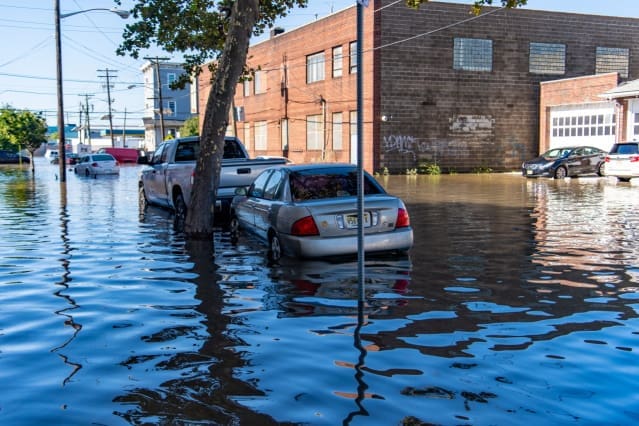
I want to talk about disasters. Disasters come in many shapes and sizes. It could be a wildfire that destroys an area, such as Maui, or closer to home, Paradise California. Or an earthquake that causes lots of damage and causes the death and injury of many people. Flash floods are very dangerous, people die every year in flooding. High winds with sandstorms are not uncommon. And we all know about pandemics after our recent bout with COVID-19 and its many variables.
Disasters can strike with little or no warning. We live in an area with an incredible amount of geological movement. Flooding can happen every time there is heavy rain. The best way to be prepared for disasters/emergencies, is to be prepared to aid your neighbors or your family. I want to talk about becoming First Aid Certified.
Disasters and big events are not the only emergencies worth preparing for. Supposing one of your children fell down the stairs and broke a leg, do you know what to do? Your neighbor falls and has a bleeding head wound, what can you do to help? Your baby ate some ant bait, who can you call? If you can’t answer these questions, maybe you could benefit from a First Aid Class.
There are many levels of First Aid, some classes are strictly on-line and are simple to learn and cost effective to take on your own. Google will give you several options. More comprehensive classes can be found through American Heart or Red Cross. These may be instructor-lead and cost more. If you want more of an experience, a First Responder class may be more to your liking. Taking an EMT class and working with your local fire department to serve your community is an admirable achievement. Other classes such as Stop the Bleed teach techniques to literally stop bleeding in an injured person. If attending an event, it would be great to know that the person sitting next to you can help just in case something bad happens! (Remember Las Vegas?) You can also take a CPR class that is part of a First Aid class. The possibilities are endless.
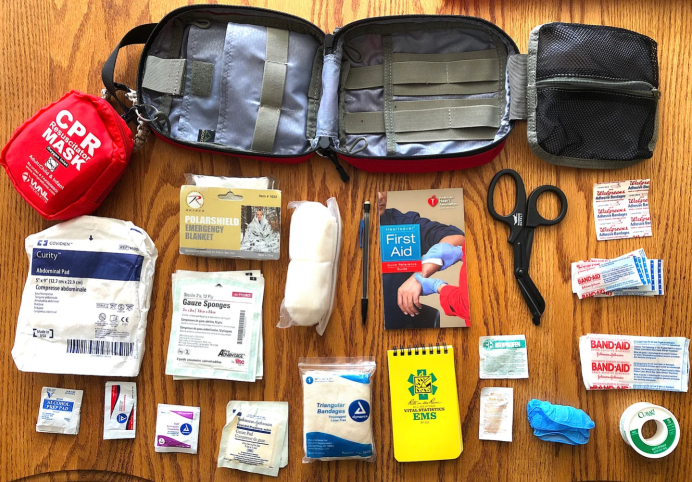
You also should have a first aid kit. These can be purchased from Amazon or Walmart and, depending on how big or how elaborate, are moderately inexpensive.
The Red Cross recommends that all first aid kits for a family of four include the following: (The Items in Bold are my personal suggestions)
When is an emergency going to happen? You never know! I find that if I’m ready for something, it won’t happen. Not always true but being ready to leap into action and help someone during a very bad day is great thing to do!
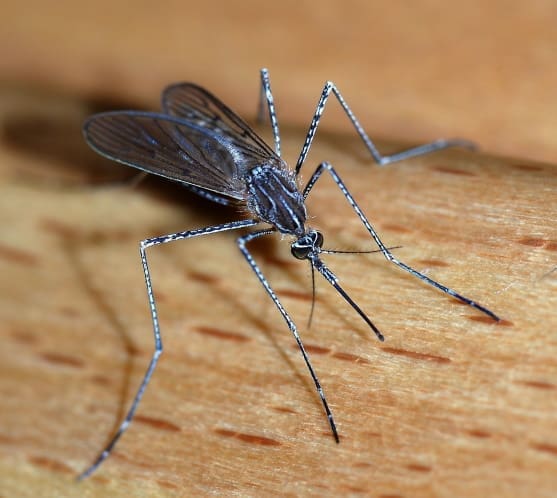
Nevada weather is a wonderful, eclectic force. We have had lots of rain this summer and that can produce a variety of wildlife that may not normally be abundant. In this instance, I’m talking about the lowly mosquito. I have lived in Hawthorne for 15 years and can count on one hand the number of times I have had mosquito bites. This year is exceptional for above-average rain which causes an excess of standing water in dry creek beds, tire tracks in roads, abandoned tires, and hundreds of other places.
Along with annoying itchy bites, mosquitos can leave you with one of several mosquito-borne diseases. Diseases that are spread to people by mosquitoes include Zika virus, Chikungunya virus, Dengue, Malaria, and West Nile virus. Most of these are exotic and unlikely to be spread by our local mosquitoes. West Nile is the one that we are going to talk about.
West Nile virus is found is all 48 contiguous states.
Most people who are infected with West Nile virus have no symptoms, (8 of 10).
Some (1 of 150) people infected with West Nile Virus develop severe illness. People (1 in 50) over the age of 60 and with chronic medical conditions (diabetes, cancer, hypothyroidism, kidney disease, or organ transplants) are at greater risk of developing illness that affects the central nervous system, encephalitis, (inflammation of the brain) or meningitis (inflammation of the membranes that cover the brain and spinal cord).
If you think you or a loved one may have West Nile Virus disease, talk with your healthcare provider. Your provider will take a history of possible exposure to mosquitoes carrying West Nile Virus, signs and symptoms of the disease and order blood or spinal fluid testing.
Recovery may take several weeks or months and some central nervous system effects may be permanent.
About 1 of 10 people who develop severe illness affecting the central nervous system die.
There is no vaccine or specific medications for West Nile Virus infection. Antibiotics are not effective against viruses.
All of this information and much more can be found on the CDC web site at: https://www.cdc.gov/westnile/
Preventing Mosquitoes:

If you find that you have Mosquitoes in the area, burning a Citronella coil or candle can cause them to leave the area. Blocking out the Mosquitoes from your outdoor sitting areas is also effective. You can purchase hanging screens or seal in porches to keep the pests out.
Emptying any standing water around your property will help reduce their numbers. These will include buckets that've been filled with water from a rainy day or bird baths that haven't had their water exchanged. Mosquitoes reproduce by laying their larvae in this water and eventually they become Mosquitoes in the area